Soccer, a game revered for its passion and excitement, has unfortunately seen a rise in an unsporting phenomenon - players faking injuries. This deceptive practice has the potential to tarnish the reputation of both players and the sport itself. In this blog post, we will delve into the reasons behind why soccer players resort to simulation during matches, exploring the psychology and incentives that drive this behavior.
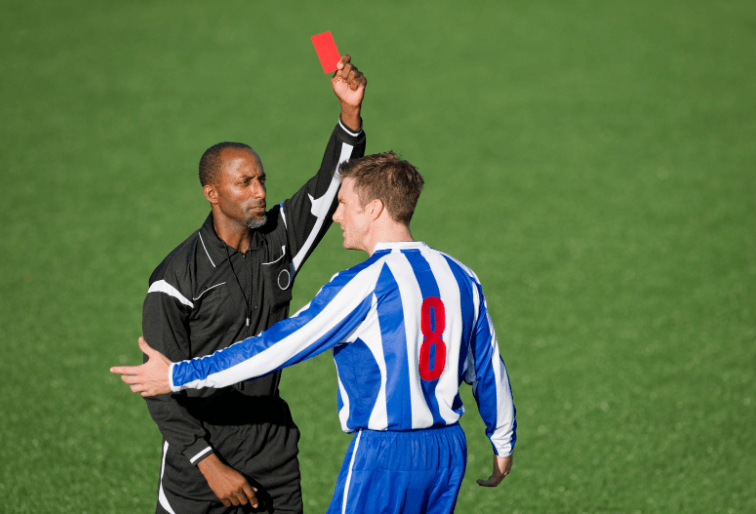
Simulation, in soccer terms, refers to the act of deliberately exaggerating or feigning an injury to deceive referees, gain an advantage, or disrupt the flow of the game. It is not a new phenomenon, as historical records indicate instances of simulation throughout the sport's evolution. However, its prevalence in modern soccer has sparked discussions about fair play and sportsmanship.
At the heart of the matter lies the players' pursuit of a competitive edge. By simulating injuries, players can psychologically disrupt their opponents, sowing seeds of doubt and frustration. This, in turn, affects the rhythm and morale of the opposing team, tilting the game's balance in their favor.
Additionally, faking injuries presents an opportunity for time-wasting tactics. When holding onto a lead or settling for a draw, players may resort to this strategy to consume precious seconds off the game clock, frustrating their adversaries and preserving their advantage.
Moreover, simulation can be seen as a means of exploiting referees' fallibility. By exaggerating the impact of a tackle or foul, players aim to influence the officials' decisions in their favor, resulting in free kicks, penalties, or cards for the opposing team.
Faking injuries can be a calculated part of a team's tactical approach. Players adept at simulation often use it as a tool to win fouls and free kicks in dangerous areas of the field. These set-piece opportunities provide prime chances to score goals and gain an upper hand.
Another aspect is card management, where players attempt to get their opponents carded for minor infractions. Accumulating cards can weaken the opposition, leading to potential advantages in later stages of the match.
Moreover, simulation provides players with a tactical advantage by creating breaks in play. During intense phases of the game, players may fake injuries to halt the momentum of the opposing team, offering respite and a chance to regroup.
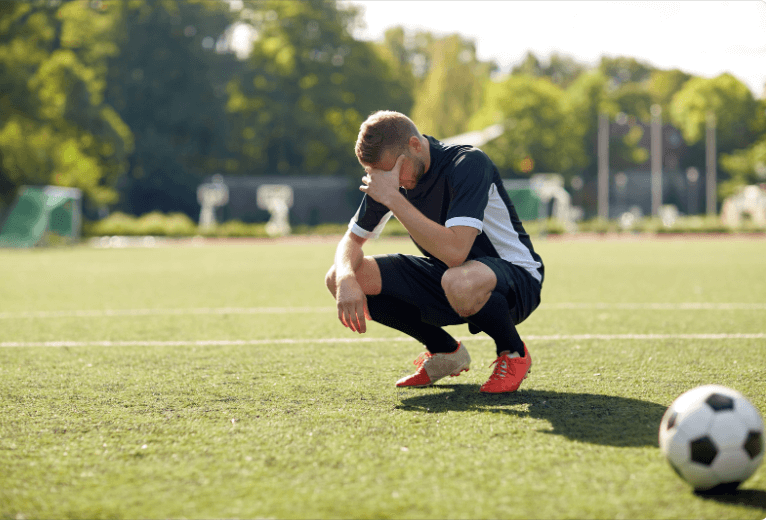
Beyond the on-field advantages, there are several off-field incentives that may contribute to the prevalence of simulation. The constant scrutiny from media and fans can put tremendous pressure on players to perform, and some may resort to simulation to alleviate this pressure or win sympathy from their supporters.
Financial motivations also play a role, as players may be rewarded with bonuses tied to fouls won or cards drawn. These financial incentives can blur the line between fair play and gamesmanship.
Additionally, certain cultural and team norms might unintentionally encourage simulation. In environments where simulation is accepted as a part of the game, players may feel compelled to engage in deceptive practices to fit in and secure their position.
The consequences of simulation extend beyond the pitch. The prevalence of this behavior damages the sport's integrity, leading to questions about the honesty and fairness of soccer as a game. Players who are known for frequent simulation risk tarnishing their reputation, both among fans and fellow professionals.
To combat simulation, the sport has seen technological advancements like VAR (Video Assistant Referee), which aids in reviewing contentious decisions and reduces the likelihood of falling for deceptive acts.
Enforcing stricter punishments for players caught faking injuries is another step towards curbing this behavior. Such measures act as a deterrent and signal that the sport takes a strong stance against unsporting conduct.
Player education is crucial in fostering a culture of fair play. Instilling values of integrity and sportsmanship from an early age can help players appreciate the importance of playing the game honestly.
Soccer players faking injuries may be driven by a mix of psychological factors, strategic gameplay, and external pressures. While the desire for a competitive advantage is understandable, resorting to simulation undermines the spirit of the game. By addressing this issue collectively, through technology, punishment, and education, soccer can preserve its integrity and remain a sport admired for its skill, passion, and fair play. Only by working together can we ensure that the beautiful game continues to captivate and inspire for generations to come.
Contact us


