Breaking in soccer cleats is crucial for achieving both comfort and peak performance on the field. In this blog post, we will delve into the significance of breaking in cleats, selecting the right size and type, preparing cleats for the process, and gradually breaking them in. We'll also address common discomfort issues during the break-in period and share tips for caring for cleats after the process is complete.
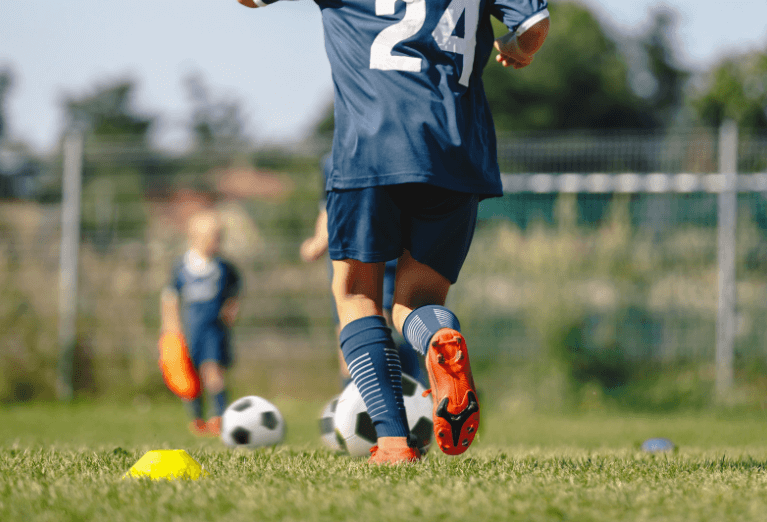
Modern soccer cleats are often made with rigid materials to provide stability and support. However, these materials can initially cause discomfort and blisters. Breaking in cleats allows the materials to mold to the unique shape of your feet, offering a personalized fit that enhances comfort and minimizes the risk of injury. Moreover, well-fitted cleats improve overall performance, as they enable better control and agility on the field.
The first step in the break-in process is choosing the correct size of cleats. Ill-fitting shoes can lead to unnecessary discomfort and hinder the breaking-in progress. Additionally, consider the playing surface and opt for the appropriate type of cleats, such as firm ground, turf, or indoor shoes, as each may require different break-in techniques.
Before diving into the break-in process, it's beneficial to soften the cleats' materials. One effective method involves soaking a pair of thick socks in warm water and wearing them with the cleats for a few hours. Alternatively, applying a small amount of oil or leather conditioner (where applicable) can help make the materials more pliable without damaging them.
Rushing the break-in process can lead to discomfort and potentially injury. To avoid this, start by wearing the cleats around the house for short periods. This allows your feet to adapt gradually. As you feel more comfortable, engage in light exercises such as gentle running and practicing ball touches. Remember, patience is key during this stage, and overexertion should be avoided.
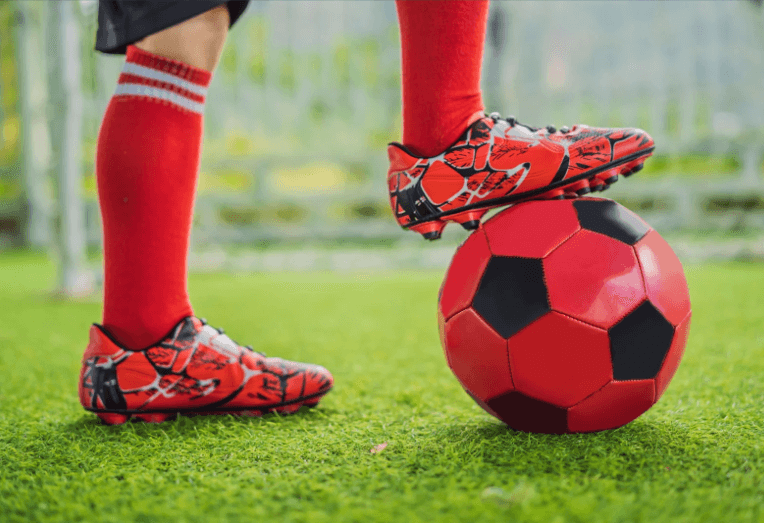
While the gradual approach is recommended, some players may prefer to expedite the process. One such technique involves stuffing damp newspaper into the cleats overnight to help them stretch faster. However, be cautious with accelerated methods, as they may cause damage to the cleats or impact their performance.
During the break-in period, blisters and hotspots may arise. To alleviate these discomforts, consider using moleskin pads or gel cushions at pressure points. If the discomfort persists, it's essential to seek professional advice to ensure a proper fit.
Once the cleats have been broken in, proper maintenance is vital to extend their lifespan. After each game or practice, clean off any dirt and mud, and let the cleats air dry. Avoid leaving them in direct sunlight or near a heat source, as this may cause the materials to degrade prematurely.
Breaking in soccer cleats is a necessary process to achieve maximum comfort and performance on the field. By selecting the right size and type of cleats, preparing them properly, and adopting a gradual approach, players can ensure a smooth break-in experience. Remember to listen to your body and address any discomfort issues promptly. With well-cared-for cleats, you'll enjoy a better playing experience and enhanced performance throughout your soccer journey.
Contact us


